Maggi Instant Noodles
Mainstream US Breakthrough
Maggi Instant Noodles are easily the most popular and most consumed instant noodles in India, so why shouldn't it have similar notoriety in the United States? In this example, we explore how we would go about using Social Media to bring Maggi to mainstream North American consumers. Connecting with South Asian diaspora consumers is less important for Maggi as they already incredibly popular with a reliable base, but what about using this customer base to take their brand to the next level in a new market?
Step 1: Spreading the Word
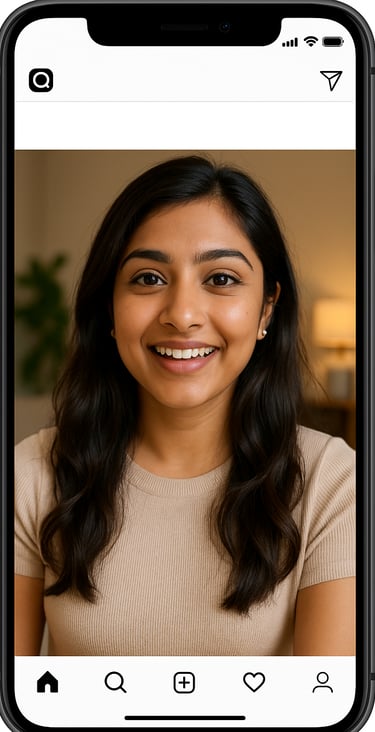
First, we collaborate with South Asian diaspora macro-influencers that can spread the brands image outside of the South Asian community! Since Maggi is famous for being a food that is easy to make, we would target creators that aren't known for food or cooking videos. Instead, we would focus on Comedy and Vlog creators who make the most entertaining and memorable content.
Execution Strategy
We would target South Asian macro-creators based in the US and Canada with diverse followings; particularly large non-South Asian audiences. In this stage our primary concern is reach, so ideally these creators should all have large followings, but differing audiences and content types. We try to capture the male audience with comedic influencers and female audience with the vlog and lifestyle influencers.
Why it works?
Studies have shown that over a third of consumers eating ethnic foods consider "authenticity" to be one of the determining factors in their decision to purchase. At the same time, studies also reveal that unfamiliar consumers still prefer ethnic foods that feel familiar to their taste preferences.
Maggi occupies the sweet spot between both impulses. Its flavors are distinctly South Asian, yet its instant noodle format is familiar to most American consumers. This gives the brand an advantage in appealing to mainstream audiences while maintaining cultural credibility. By collaborating with South Asian creators who can explain Maggi’s cultural ubiquity, we tap into both the consumer’s craving for cultural authenticity and familiarity.
Finally, Maggi’s simplicity is one of its most persuasive selling points. Because it’s easy to make, we focus on creators who aren’t professional cooks; people whose personalities and lifestyles make the product feel accessible. Watching them effortlessly prepare a packet signals to viewers that they can do it too. This is one of the main reasons we would target male creators and audiences as well.
Step 2: Let's Try It!
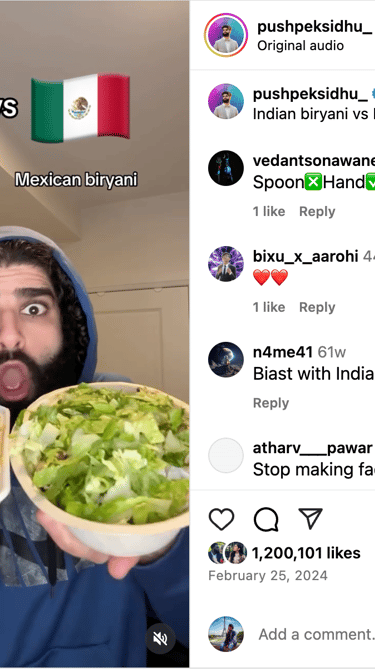
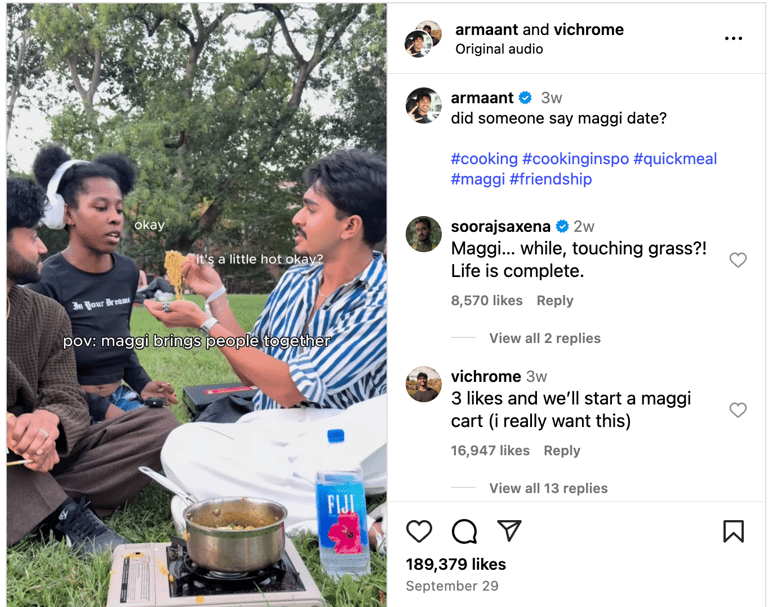
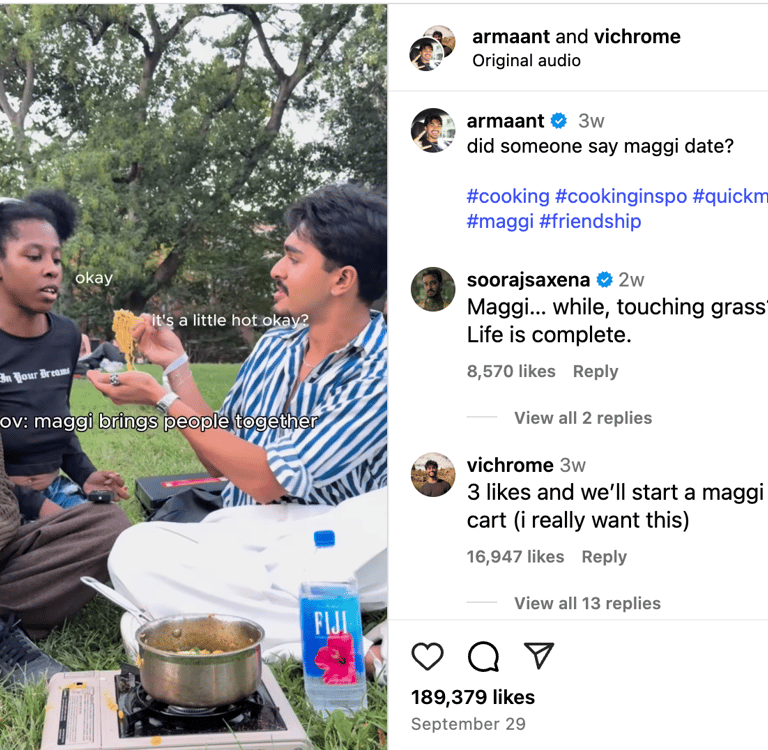
Now that general audiences are familiar with Maggi, the next step is to get them to actually try it. In this phase, South Asian creators invite their non–South Asian friends to taste Maggi for the first time, capturing authentic reactions and conversations around the product.
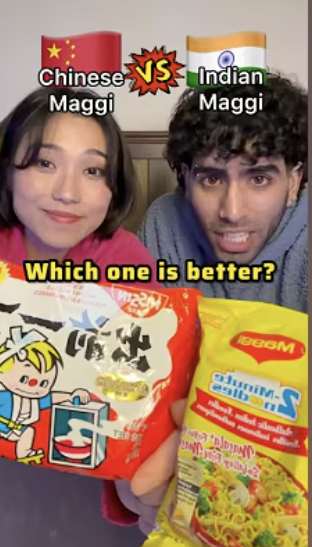
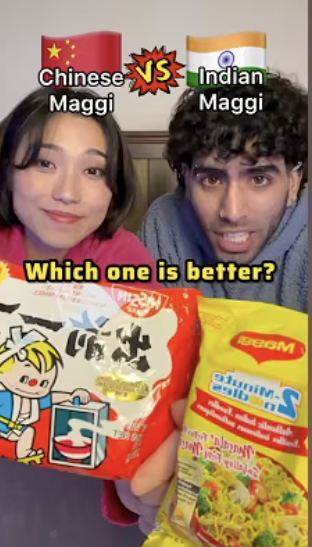
We also encourage creators to produce comparison-style videos, putting Maggi side by side with other popular instant noodle brands.
Execution Strategy
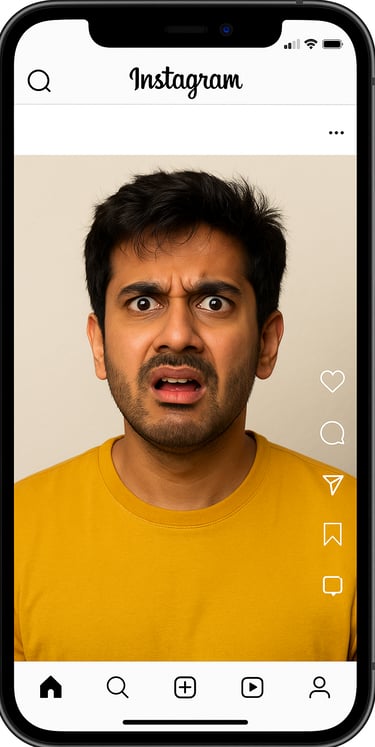
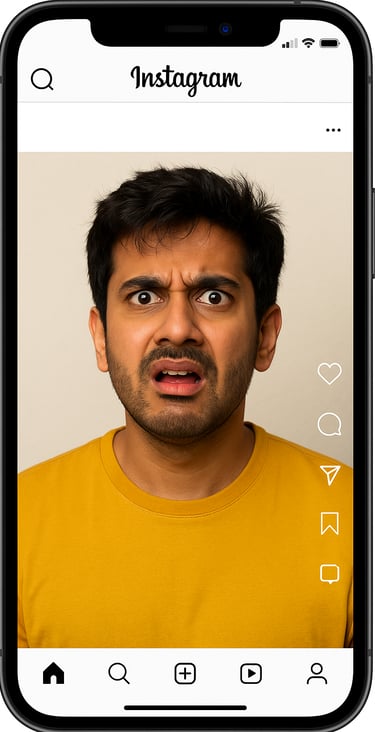
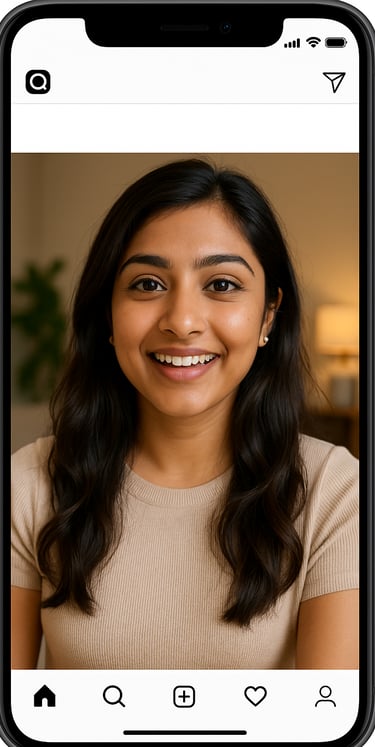
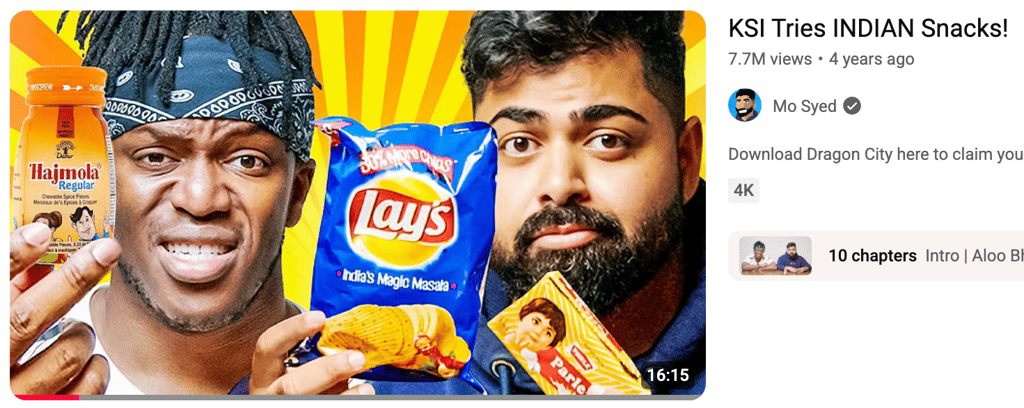
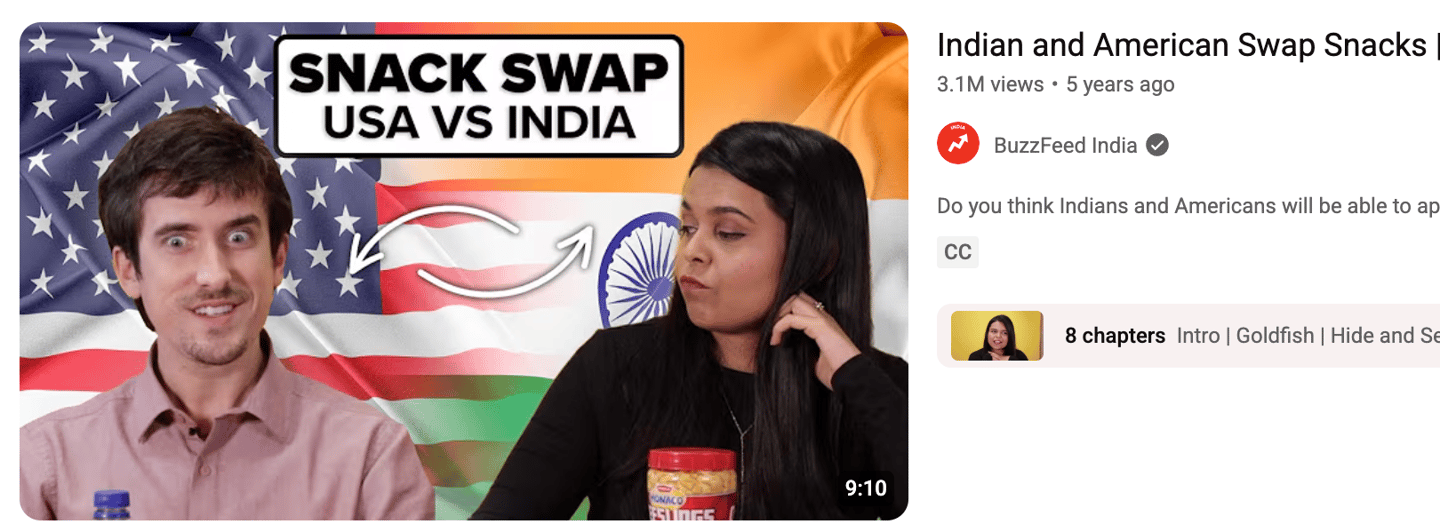
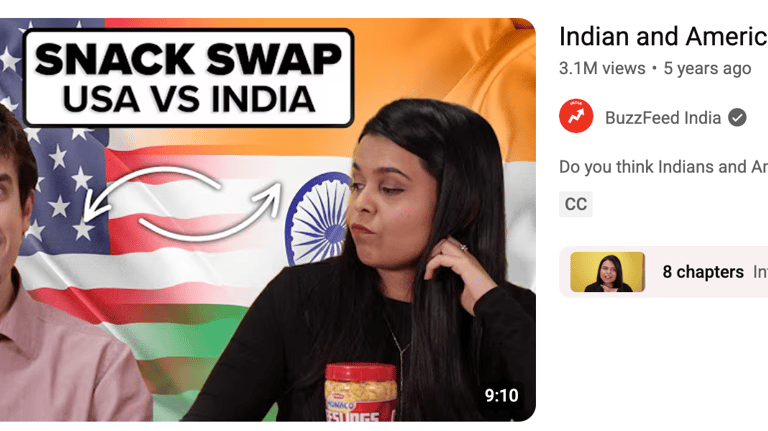
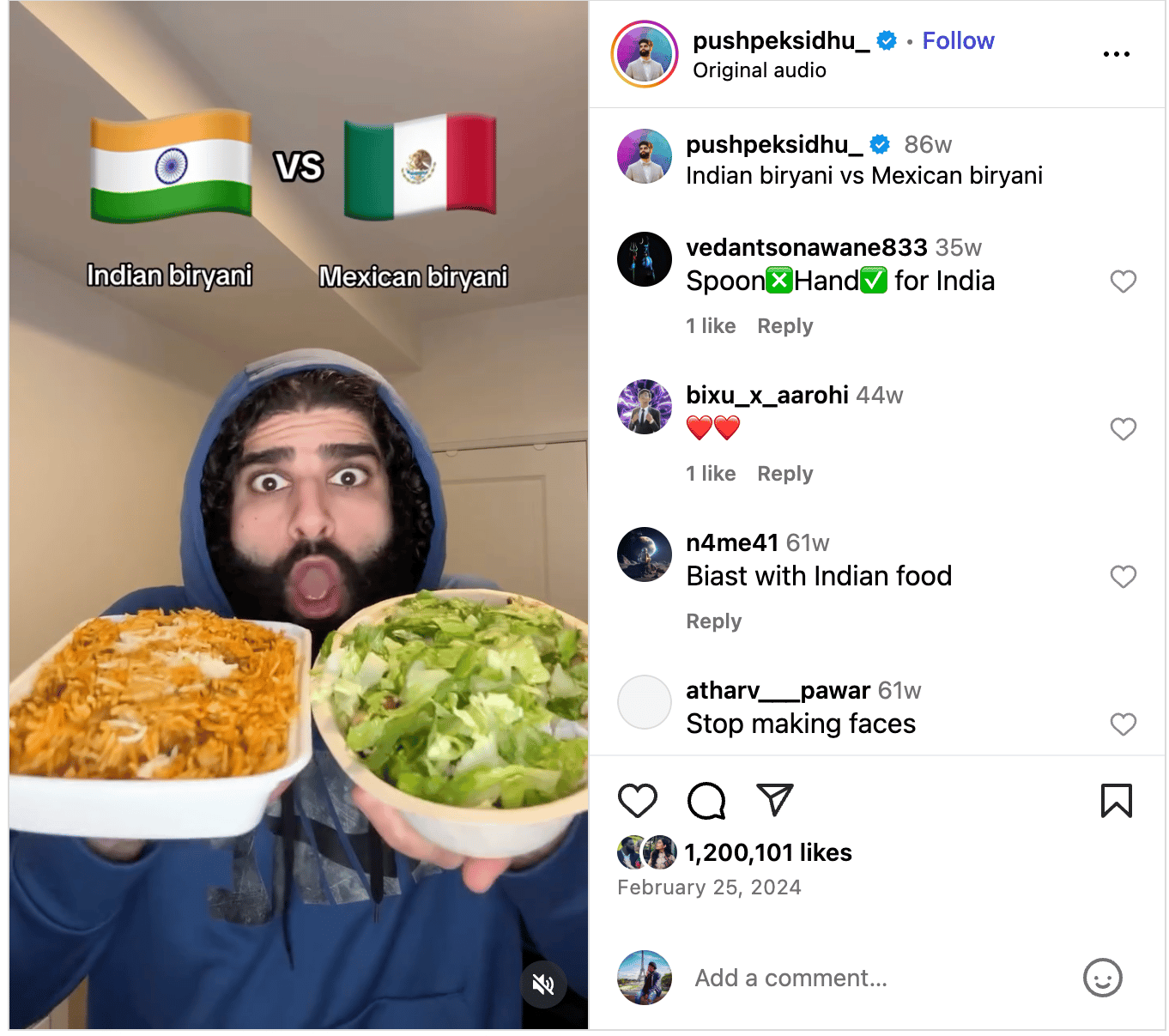
There are several creators that have made "trying Indian foods" and "showing my friends Indian foods" videos before. We would work with some of these creators to make a similar video for Maggi, whether it be a taste test, comparison, or whatever else. We primarily target creators who regularly make food review videos, but also comedy creators that could make fun, light hearted interpretations of the assignment. See the images on the screen for an example of what creators have done in the past.
Why it works?
Now that the consumer knows about the product, our objective is to show them that they would probably enjoy it. This reinforces the importance of the food being adaptable to their palate, as mentioned earlier.
The comparison videos are arguably even more important. These are used so that mainstream audiences shift their perception of Maggi from being a specialty food, to a possible replacement for a product they already purchase regularly. Instead of being something they buy when they want to try a food that is distinctly South Asian, it becomes just another instant noodle option for their enjoyment.
Step 3: Bringing the Product to the Audience
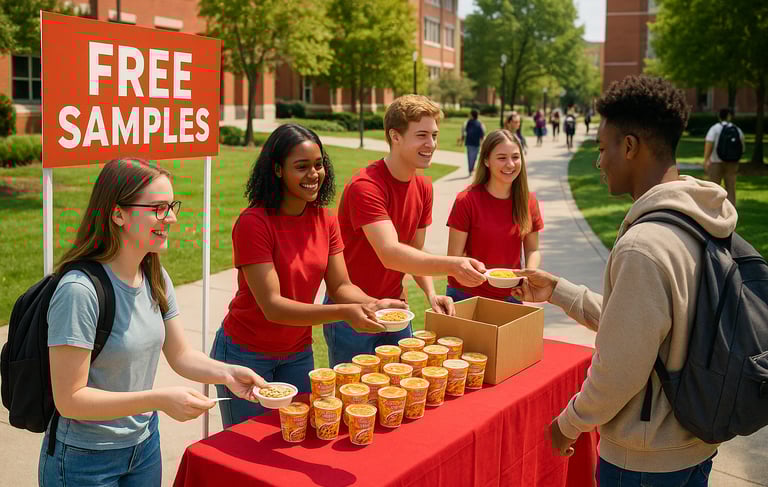
Now that the audience knows about the product, it's time to take it to them directly! This stage would involve pop ups on university campuses around the US offering free samples of Maggi to local students. This can be combined with a social media based incentive, e.g. a free packet to take back home if they post about the pop up on their Instagram story using a hashtag.
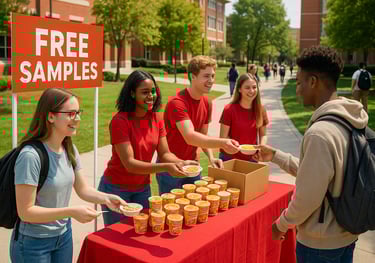
Execution Strategy
We target schools in the US with large South Asian populations. After determining the list of schools, we partner with South Asian student organizations to spread word of the pop up, and possibly even assist with the give away. The ideal time period would be early in the year from September-October, when students are making community with one another and sending new trends across campus, or in April during the weeks proceeding final exams, when students will be looking for a convenient snack for their study periods before traveling across the country for summer internships and home visits.
Why it works?
18-29 year olds are commonly reported to be the most active social media users, with an even younger skew on the platforms targeted in this campaign. By this stage, many students (being within that demographic) will likely have already encountered some of the digital assets from earlier phases and developed at least a passing familiarity with the brand. Offering them a chance to try the product in person, without cost or commitment, creates a seamless bridge from awareness to experience while giving the brand control over how that first encounter feels.
Additionally, college students are often associated with instant noodles in American culture. If college students (the group seen as “experts” on instant noodles) genuinely enjoy the product, their approval lends the brand instant credibility in the broader American consciousness.
Partnering with South Asian student organizations ensures the students most knowledgable about the product are aware of the pop up, in hopes that their presence draws attention that attracts other students. The time periods are also deliberately chosen to maximize spread via word of mouth.
Connect
Your partner in multicultural influencer marketing solutions.
Explore
Engage
info@3rdculturesolutions.com
© 2025 Third Culture Solutions LLC. All rights reserved.